The Game Awards 2025: Game of the Year & Biggest Winners

The Game Awards 2025 delivered an incredible night of celebration for the gaming community, with one title dominating the biggest categories and setting a new record for wins. From narrative triumphs to superstar performances, here are the standout winners that defined the year.

Clair Obscur: Expedition 33 was crowned Game of the Year 2025, taking home the night's most prestigious accolade. This indie RPG also swept several other major categories, making it one of the most talked-about games of the year.

Major Awards & Highlights

Best Game Direction - Clair Obscur: Expedition 33

Best Narrative - lair Obscur: Expedition 33

Best Art Direction - Clair Obscur: Expedition 33

Best Score & Music - Clair Obscur: Expedition 33

Best Performance - Jennifer English (Clair Obscur: Expedition 33)

Best RPG - Clair Obscur: Expedition 33

Best Independent Game - Clair Obscur: Expedition 33

Best Debut Indie Game - Clair Obscur: Expedition 33

Other Top Wins:

Best Audio Design: Battlefield 6

Best Multiplayer: ARC Raiders

Games for Impact: South of Midnight

Innovation in Accessibility: Doom: The Dark Ages

Best Ongoing Game: No Man's Sky

Best Community Support: Baldur's Gate 3

What this means for 2025

2025 was a year where smaller studios shined alongside big publishers, and Clair Obscur: Expedition 33's historic sweep showed the industry's appreciation for both creativity and technical excellence.

The Game Awards 2025: Best Mobile & Ongoing Games

Mobile gaming continues to grow in both scale and creativity, and The Game Awards 2025 once again recognized titles that stood out on mobile platforms, alongside long-lasting games on other systems. Here's a breakdown of the winners with a mobile focus.

Best Mobile Game - Umamusume: Pretty Derby

The Best Mobile Game award went to Umamusume: Pretty Derby, a title that blends strategic mechanics with engaging progression systems and charismatic characters.

This win highlights how mobile games can deliver rich gameplay experiences that compete with traditional console and PC games in quality and engagement.

Best Ongoing Game - No Man's Sky

Although not a mobile title, Best Ongoing Game was awarded to No Man's Sky, celebrating a title that continues to evolve through regular updates and strong community engagement.

This category is relevant to mobile too - many mobile games succeed through ongoing content, live events, and seasonal refreshes.

Why Mobile Gaming Matters in 2025

Mobile games now offer:

Competitive player communities

Cross‑platform progression

Deep design beyond casual play

Titles like Umamusume: Pretty Derby show that mobile gaming is more than a casual pastime - it's a core pillar of the global gaming landscape.

Indie & Creative Achievements at The Game Awards 2025

Indie games often push boundaries of creativity and storytelling. At The Game Awards 2025, they took center stage both in major and indie-specific categories, highlighting the year's most imaginative and impactful titles.Indie & Creative Achievements at The Game Awards 2025.

Best Independent Game - Clair Obscur: Expedition 33

In a remarkable achievement, Clair Obscur: Expedition 33 won Best Independent Game, showing that indie projects can compete head-to-head with bigger budget titles.

Its dual win in independent and major categories shows how indie craftsmanship is being recognized across the industry.

Best Debut Indie Game

Clair Obscur: Expedition 33 also took home Best Debut Indie Game, confirming its impact as a standout first release from its developer.

Creative Recognition Winners

Other creative and achievement focused wins included:

Games for Impact: South of Midnight - celebrating meaningful storytelling and emotional depth.

Innovation in Accessibility: Doom: The Dark Ages - recognised for thoughtful accessibility features.

Why Indie Awards Matter

Indie titles push innovation, risk-taking, and artistic exploration. Their recognition at The Game Awards 2025 highlights how creativity continues to shape the future of the medium.

The State of the Gaming Industry in 2026: Growth, Pressure and a Changing Market

The gaming industry is entering 2026 in a somewhat contradictory position. On the surface, the market is doing very well: global games revenue is continuing to grow, billions of people play games, and mobile gaming remains the largest part of the industry. Yet behind these positive numbers, the business of making and selling games has become considerably more difficult.

The industry is not collapsing. Instead, it is undergoing a major restructuring.

A Growing Industry with Increasing Pressure

According to Newzoo, the global games market is expected to reach approximately $213.9 billion in 2026, representing growth of 6.1% compared with 2025. The number of players is expected to reach around 3.7 billion worldwide.

Mobile gaming remains the largest segment, generating an estimated $121.1 billion, while console gaming is expected to generate $46.9 billion and PC gaming $45.9 billion.

This makes an important point clear: people have not stopped playing games. In fact, the overall audience continues to expand.

The problem is that the market is becoming mature. Player growth is slowing, particularly in established markets, meaning that future growth increasingly has to come from keeping existing players engaged and encouraging them to spend more rather than simply finding millions of new players.
That change has profound consequences for publishers and developers.

The AAA Business Has Become Increasingly Risky

One of the biggest problems facing the industry is the rapidly increasing cost of producing major AAA games.

Large games can now require hundreds of developers, many years of development and enormous marketing budgets. Consequently, a game that fails to attract a sufficiently large audience can represent a substantial financial loss.

This has contributed to widespread layoffs, studio closures and project cancellations across the industry. At the same time, publishers are becoming more cautious about investing in expensive projects whose profitability is uncertain.

The paradox is that the games industry can generate record revenues while individual developers and studios experience considerable instability.

The success of the overall market therefore does not necessarily translate into job security or healthy finances for every company.

The Live-Service Problem

Online gaming has also entered a more complicated period.
For years, publishers increasingly viewed the live-service model as the ideal business strategy. Instead of selling a game once, companies could maintain a game for years through seasons, battle passes, cosmetic items, expansions and other forms of recurring spending.
The attraction is obvious: a successful live-service game can generate revenue long after its original release.

The problem is that players have a limited amount of time.

There are now enormous numbers of games competing for the same attention. Players cannot simultaneously maintain dozens of games that expect them to log in every day, complete weekly challenges, participate in seasonal events and purchase new content.

As a result, the live-service market has become highly polarized. A small number of extremely successful games can maintain huge audiences, while many other titles struggle to retain players.
This helps explain why the failure of an online game can be so dramatic. The issue isn’t necessarily that people have stopped playing online games. Rather, the competition for players’ limited attention has become much more intense.

Newzoo’s 2026 research highlights the same broader trend: many of gaming’s biggest successes are now surprisingly old. Roblox and Garry’s Mod are celebrating their 20th anniversaries, Minecraft and Terraria are 15 years old, while Pokémon GO, Overwatch, Dead by Daylight and Stardew Valley are around a decade old. Grand Theft Auto V continues to rank among the industry’s major titles more than a decade after its release.

In other words, the industry is increasingly discovering that maintaining a successful audience may be just as important as creating the next big game.

Mobile Gaming Is Still Performing Very Well

Despite concerns about saturation, mobile gaming remains extremely strong.
Mobile is expected to generate $121.1 billion in 2026, accounting for well over half of global games revenue. Newzoo expects mobile revenue to grow by 6.8% year over year, making it the fastest-growing of the three major gaming platforms. However, the nature of mobile growth is changing.

Mobile game downloads are becoming more difficult to grow, while revenue continues to increase. This suggests that established games are becoming better at monetizing and retaining their existing audiences.

In other words, mobile gaming is becoming a mature market.

The days when simply releasing a new mobile game could easily generate millions of downloads are largely gone. Players have an enormous number of choices, and successful games increasingly need sophisticated progression systems, regular events, social features and ongoing content updates.
This creates an environment in which established games have a major advantage.

Fewer New Players, More Value from Existing Players

One of the most important trends across gaming in 2026 is the growing importance of retention.
Newzoo expects the global player population to grow, but at a slower rate over the coming years. As the proportion of the world’s online population already playing games becomes very high, there is less room to expand simply by finding completely new players.

Consequently, publishers are increasingly focused on questions such as:
How long does a player remain with a game?
How often do they return?
How much content do they consume?
Will they spend money?
Can they be persuaded to try another game from the same company?

This helps explain the enormous emphasis on seasonal content, events, subscriptions, cosmetic purchases and other forms of ongoing engagement.

The Rise of PC and Indie Games

The picture is not equally negative across all parts of the industry.
PC gaming had an exceptionally strong 2025, with Newzoo recording 12% growth, its strongest annual growth rate in the company’s dataset. The growth came from a broad range of premium and mid-priced releases rather than a single blockbuster.

At the same time, independent developers continue to produce games at an extraordinary rate.
This creates an interesting contrast with AAA development.

Making a major blockbuster has become enormously expensive, while modern development tools make it increasingly possible for smaller teams to create sophisticated games.

The difficulty for independent developers is therefore changing.

Creating a game is becoming easier. Getting people to discover it is becoming harder.
The problem is no longer simply production. It is visibility.

Thousands of games compete for attention on digital storefronts, YouTube, TikTok, Steam and other platforms. A good game can therefore struggle simply because potential players never discover it.

AI Could Change Game Development

Artificial intelligence is another major force beginning to reshape the industry.
AI tools are increasingly being used for programming assistance, concept development, dialogue, asset creation, localization, testing and other parts of production.

The long-term effect remains uncertain, but one possibility is that smaller teams will be able to accomplish work that previously required substantially larger development teams.
That could ultimately produce more games and more experimentation.

But it may also intensify the discoverability problem.

If AI makes it dramatically easier to create games, the number of competing titles could increase even further. The value of marketing, community building and audience ownership could therefore become even greater.

Gaming Is Also Competing with Other Forms of Digital Entertainment

There is another important change taking place outside gaming itself. Games are no longer competing primarily against other games. They are competing for people’s limited attention against TikTok, YouTube, streaming services, social media and increasingly AI applications.
This is particularly important on mobile devices, where all of these activities take place on the same screen.

McKinsey’s 2026 analysis argues that the next stage of gaming growth will increasingly depend on the industry’s ability to maximize the value of the attention it already receives. This may become one of the defining issues of the next decade. The question isn’t simply: “How many people play games?”

It is increasingly:
“How much of people’s limited attention can games capture, and for how long?”
What Does the Future Look Like?
The gaming industry in 2026 is therefore best described as healthy but increasingly competitive and selective.

The overall market is growing. Mobile gaming is thriving. PC gaming is strong. Console gaming continues to generate enormous revenues. Billions of people play games worldwide.

But at the same time, producing a successful game has become much more difficult. AAA budgets are enormous. Live-service games face fierce competition. Mobile stores are crowded. Players have limited time. Independent developers face discoverability problems. And publishers are increasingly reluctant to take huge financial risks.

The industry’s future may therefore belong less to companies that can simply produce the biggest games and more to those that can build sustainable communities and keep audiences engaged for years.
Interestingly, this is already visible in the success of games that have survived for a decade or more.
Gaming in 2026 is not necessarily about constantly replacing old games with new ones.
Increasingly, it is about creating games—and communities—that people have a reason to keep returning to.

The Bottom Line

The gaming industry is not in decline. It is growing, with global revenue expected to exceed $213 billion in 2026 and mobile gaming alone accounting for more than $120 billion.
What is changing is the business model.

The industry is moving away from an era in which simply producing another expensive blockbuster or launching another live-service game could guarantee growth.

The market is becoming more mature, more competitive and more dependent on long-term engagement.
For players, this could ultimately be a positive development. It may encourage publishers to concentrate on games that genuinely offer long-term value rather than launching an endless stream of expensive projects.

For developers, however, the environment is much more challenging.
And for the gaming industry as a whole, 2026 may represent an important transition: from the era of growth through constant expansion to an era in which attention, retention and sustainable communities matter more than ever.

The Gaming Industry and the Influence of Indie Games

Although blockbuster releases from major studios dominate sales and marketing, independent game developers have repeatedly introduced new gameplay mechanics, storytelling approaches and artistic styles that have influenced mainstream gaming.

Some of the most influential ideas in gaming have come from much smaller teams — and sometimes from a single developer. Independent games, commonly known as indie games, have given developers greater freedom to experiment with gameplay, storytelling, visual styles and unusual ideas. Some have remained niche successes, while others have grown into worldwide phenomena.
Their influence can be seen not only in the games players choose to play, but also in the genres, mechanics, and artistic approaches adopted by larger studios.

What Makes a Game Independent?
Indie games are generally developed outside the traditional structure of a large publisher or major game studio. They may be created by a small team or even by one person working independently.
This smaller scale can create limitations. Independent developers usually have fewer financial resources, smaller teams, and less money for marketing than major commercial studios.

At the same time, independence can provide something equally valuable: creative freedom. A small developer does not necessarily have to convince a large publisher that an unusual idea will appeal to millions of players. This makes it possible to experiment with unconventional gameplay, unusual stories, distinctive visual styles, and niche subjects.

Distribution has also become much easier than it was in the past. Digital platforms such as Steam and itch.io allow independent developers to reach players around the world without having to manufacture physical copies or secure space in traditional retail stores.

As a result, a small team can potentially reach an international audience with a game that might never have been produced within the traditional publishing system.

When Indie Games Become Industry Influencers
An independent game does not need the budget of a major commercial release to have an impact. Sometimes a small game introduces an idea that players respond to so enthusiastically that larger developers begin exploring similar approaches.

This has happened repeatedly with games that offered unusual combinations of genres, innovative mechanics or storytelling that differed from conventional blockbuster games.
Minecraft is perhaps one of the clearest examples.

Originally developed independently by Markus Persson, Minecraft began as a relatively simple block-building game and developed into a worldwide phenomenon. Its open-ended approach to exploration, construction and player creativity demonstrated the enormous appeal of allowing players to create their own experiences rather than simply following a predetermined storyline.

Minecraft eventually became a major commercial property, but its origins demonstrate how an idea developed outside the traditional industry can grow into something capable of influencing gaming on a massive scale.

Indie Games and Storytelling
Independent developers have also pushed the boundaries of video game storytelling.
Undertale, created by Toby Fox, is an excellent example. Rather than relying purely on conventional combat, the game makes player choices and relationships central to the experience. Its unusual characters, humor and multiple possible outcomes helped demonstrate that a relatively small game could create a remarkably distinctive narrative experience. Other independent games have explored subjects that large commercial productions might have approached more cautiously.

Celeste, developed by Maddy Makes Games, combines challenging platforming with a personal story about perseverance and mental health. The game demonstrates how gameplay mechanics and narrative can reinforce one another rather than functioning as completely separate elements. This freedom to explore personal or unconventional subjects is one of the important contributions of independent games to the wider medium.

Experimentation with Gameplay
Indie developers have also been responsible for some remarkably inventive gameplay mechanics.

Braid, created by Jonathan Blow, used time manipulation as the central element of its puzzle-platforming gameplay. Rather than simply making a conventional platform game, it built its puzzles around the player’s ability to manipulate time.

FEZ, developed by Polytron, similarly introduced an unusual perspective-based mechanic in which players could rotate the world and transform the way its apparently two-dimensional environments were perceived.

These games illustrate an important advantage of independent development: developers can build an entire game around an unusual idea without necessarily having to fit it into an established commercial formula.

The Rise of the Indie Platformer
Independent games have also played an important role in the revival and development of the 2D platformer.

Super Meat Boy became known for its demanding levels and precise controls, while Shovel Knight deliberately embraced the visual language and gameplay conventions of classic 8-bit games while combining them with modern design.

These games demonstrated that retro-inspired games could appeal to contemporary audiences when they combined familiar aesthetics with carefully designed modern gameplay.

The success of such games helped contribute to a broader interest in pixel art, retro-inspired platformers, and deliberately old-fashioned game design.

Atmospheric Games Can Succeed Without Blockbuster Budgets
Not every influential indie game depends on complicated mechanics.
Inside, developed by Playdead, uses minimalist storytelling, atmospheric environments, and carefully controlled visual design to create an unsettling experience with relatively little conventional exposition.

Hollow Knight, created by Team Cherry, demonstrates another direction for independent development. Its expansive world, exploration, combat, and environmental storytelling created an experience comparable in ambition to that of much larger productions, despite its independent origins.

Stardew Valley, developed primarily by Eric Barone (ConcernedApe), offers yet another example. Inspired partly by the Harvest Moon series, it combines farming, exploration, relationships, and role-playing elements in a deliberately relaxing world.

Its success showed that players were willing to spend hundreds of hours in a game that did not depend on blockbuster action, cutting-edge graphics, or a huge development studio.

Why Indie Games Matter to the Industry
The influence of independent games goes beyond individual successful titles.
They contribute to the diversity of gaming by demonstrating that games do not have to follow one particular formula.

A large commercial studio may be reluctant to invest millions of dollars in an unfamiliar genre or experimental mechanic. An independent developer working with a much smaller budget can sometimes take that risk.

When the experiment succeeds, the larger industry takes notice.
Indie games can therefore function almost like a testing ground for new ideas. Some experiments remain niche, while others eventually become part of mainstream gaming.

They also give players experiences that may be difficult to find in major commercial releases. Personal stories, unusual art styles, experimental mechanics, and niche subjects can all find an audience.

From Indie Game to Major Success
The boundary between independent and commercial gaming is not always permanent.
Some games begin as small independent projects and eventually become major commercial properties. Minecraft is a particularly striking example, but it is not the only one.

This creates an interesting cycle. Independent developers experiment outside the mainstream, successful ideas attract players, publishers notice the demand, and elements of those games can eventually become part of mainstream development.

At the same time, new independent developers begin experimenting with ideas that have not yet been adopted by major studios.In this way, independent gaming can continually introduce new influences into the industry.

The Continuing Influence of Independent Games
Independent games do not necessarily have to compete directly with blockbuster releases.
Their greatest contribution may be their ability to demonstrate that there are many different ways to make a successful game.

A small team can create a game based on a single unusual mechanic. One developer can build an entire world around a personal story. A retro visual style can become attractive again. A niche genre can find a surprisingly large audience.

Games such as Undertale, Celeste, Hollow Knight, Stardew Valley, Inside, Braid, FEZ, Shovel Knight, and Super Meat Boy show just how varied independent gaming can be.
Some become commercial successes. Others influence developers who come after them. Some simply create a devoted audience around an idea that would never have existed within a more conventional development model.

That may ultimately be the greatest influence of independent gaming: it continually reminds the industry that players are willing to try something different.

Why Pokémon GO Is Still One of the World’s Most Successful Mobile Games

pokemon

Few video game franchises have remained popular for almost three decades. Since its debut in 1996, Pokémon has grown from a pair of Game Boy games into one of the world’s biggest entertainment brands, expanding into trading cards, animated series, movies, merchandise, and countless video games.

However, one of Pokémon’s greatest achievements came not from a traditional console game, but from a mobile app. Released in 2016, Pokémon GO changed the way people experienced video games by combining the familiar world of Pokémon with real-world exploration.

Nearly a decade after its release, Pokémon GO remains one of the most successful mobile games ever created. While many mobile games experience a short period of popularity before disappearing, Pokémon GO has continued attracting players through regular updates, community events, new Pokémon releases, and the timeless appeal of collecting.

The Origins of Pokémon’s Global Success

Pokémon, originally known as Pocket Monsters, was first introduced in 1996 with the release of Pokémon Red and Green for the Nintendo Game Boy in Japan.

The concept was simple but revolutionary. Players became Pokémon Trainers who travelled through different regions, discovered creatures called Pokémon, captured them, trained them, and used them in battles.

The franchise quickly became popular because it combined several powerful ideas:
exploration, collecting, strategy, progression, and the personal connection between players and their Pokémon.

Each Pokémon had unique abilities, designs, and characteristics, encouraging players to discover new creatures and create their own teams.

Over the years, Pokémon continued expanding with new generations of games, introducing new regions, mechanics, and hundreds of additional Pokémon while maintaining the core idea that made the series successful: the excitement of discovering something new.

The Launch of Pokémon GO

When Pokémon GO was released in July 2016, it created a worldwide gaming phenomenon. Unlike traditional Pokémon games, which took place in fictional regions, Pokémon GO brought Pokémon into the real world through augmented reality technology. Players could walk through their own cities, parks, and neighbourhoods while searching for Pokémon using their smartphones.

The game attracted millions of players around the world. People who had grown up playing Pokémon on the Game Boy returned to the franchise, while a new generation discovered Pokémon for the first time. For many people, Pokémon GO was not just a game. It became a shared cultural experience, with players gathering in public places, exploring new locations, and searching for rare Pokémon together.
Why Pokémon GO Is Still Popular Today

Many mobile games become successful for a short time and then gradually lose their audience. Pokémon GO has remained popular because it continues to evolve and provide new reasons for players to return.

The Power of Nostalgia

One of the biggest reasons for Pokémon GO’s success is the emotional connection people have with the Pokémon franchise.

Many players who enjoy Pokémon GO first discovered Pokémon through the original Game Boy games, the animated series, or trading cards. Seeing familiar Pokémon appear in the real world creates a strong connection between childhood memories and modern technology.

At the same time, younger players continue discovering Pokémon through newer games, shows, and mobile experiences.

Collecting Pokémon Never Gets Old

The idea of collecting Pokémon has always been one of the franchise’s greatest strengths. Pokémon GO successfully transformed this concept into a mobile experience. Players can search for different Pokémon, complete their Pokédex, find rare creatures, improve their teams, and continue discovering new additions. The feeling that there is always another Pokémon to find gives the game long-term appeal.

Regular Updates and Events

A major reason Pokémon GO has survived for so long is the continuous addition of new content. The game regularly introduces:new Pokémon, seasonal events, special research tasks, raids, Community Days, and limited-time challenges. These events encourage players to return regularly and create excitement around the game throughout the year.

A Social Experience

Unlike many mobile games that are designed mainly for individual play, Pokémon GO encourages interaction between players.

Trainers can participate in group raids, trade Pokémon, join community events, and compete against other players.

The game also encourages people to explore the outside world, turning ordinary walks and visits to new places into opportunities for discovery.

Easy Access for Everyone

Another reason for Pokémon GO’s success is that it is easy to start playing. Players do not need an expensive console or previous gaming experience. Anyone with a smartphone can begin catching Pokémon within minutes.

At the same time, the game offers deeper challenges for dedicated players through battles, collecting, and team building.

Pokémon’s Future Beyond Pokémon GO

The continued success of Pokémon GO shows how adaptable the Pokémon franchise has become. Instead of depending only on traditional console adventures, Pokémon has expanded into different types of experiences, allowing players to enjoy the world of Pokémon in different ways.

While Pokémon GO focuses on exploration, collecting, and discovering Pokémon in the real world, other games offer completely different experiences. Pokémon Champions brings the focus back to competitive battles, giving players a dedicated space to build teams, develop strategies, and compete against other Trainers.

At the same time, the main Pokémon series continues to evolve with new adventures such as Pokémon Legends: Z-A, showing that exploration and storytelling remain an important part of the franchise.

Together, these different games demonstrate why Pokémon has remained successful for almost three decades. The franchise is no longer limited to one type of gameplay. Some players enjoy discovering Pokémon while walking through their neighbourhood, others prefer competitive battles, and others enjoy exploring new regions through traditional adventures.

2024 Game Awards and Astro Bot’s Road to Success

Astro Bot, a platformer developed by Team Asobi and published by Sony Interactive Entertainment for the PlayStation 5 was chosen as a winner of 2024 for achievements such as high craftsmanship. The level design feels fresh and well-paced, along with creative use of camera, and responsive controls is balanced. It’s easy to play but rich in detail.

Astro Bot’s visuals, audio, animation are all very well done. Team Asobi paid attention to the small things, which sometimes is what sets apart very good games from great ones.

The game strikes a balance. It has nostalgic elements (platforming genre, PlayStation history references) but modernized and made accessible enough for both seasoned players and newcomers.

It’s both a love letter to “what makes platformers fun” and a confident reinvigoration of that genre. For many, after years of dominance by large open world or cinematic RPGs, a fresh, joyful platformer felt welcome.

Critics overwhelmingly praised it. It had high review scores, strong recommendations, etc. The acclaim built momentum.

It wasn’t just the visuals or the fun; its direction, level variety, pacing, and creativity all added up.

In Polygon and other outlets, it was noted that Astro Bot had safe predictability: many believed it would win because it combined broad appeal, polished design, and wasn’t overly ambitious in a way that could have backfired.

Awards Besides GOTY

Astro Bot won several other awards at the same event, including Best Game Direction, Best Action/Adventure Game, Best Family Game among them. These wins reinforced its overall strength across multiple dimensions.

It also went on to win in other prominent ceremonies — such as the D.I.C.E. Awards — further validating its merits.

Astro Bot winning Game of the Year in 2024 symbolizes a resurgence or renewed respect for platformers and more “classic” game genres, when they’re done with care.

That excellence in design, polish, joy, and coherent vision can compete successfully even against games with larger budgets or grander scale.

That critics and industry voters value fun, accessibility, creativity, and craftsmanship—not just spectacle or size.

It also suggests that the industry (and audience) is open to games that lean into nostalgia, but do so with innovation rather than mere imitation.

THE BEST GAME AWARDS OF 2023

The best game of the 2023 award received 'Baldur's Gate 3' also receiving the Best RPG game of the year. The game has been developed by BioWare and it is a series of role-playing games set in the Dungeon's and Dragon's Universe. The game has a deep, engaging story and has been considered to be one of the best role-playing games.

In the Best Action Game Category the winner was Armored Core VI. Armored Core Series involve customizable mechs known as "Armored Cores" (ACs).Players take on the role of a mercenary pilot known as a "Raven" and engage in various missions, including combat against other mechs, completing objectives, and sometimes participating in team-based battles.Players can choose from a wide variety of parts, weapons, and equipment to build a mech that suits their preferred playstyle.

They take on assignments, ranging from eliminating enemy mechs to escorting convoys or destroying specific targets. Successful mission completion often rewards players with currency or resources used for upgrading their mechs.The Armored Core series often takes place in a dystopian future where large corporations and political entities vie for control. The narrative explores themes of war, politics, and the consequences of advanced technology.The games aim for a relatively realistic approach to mech combat, with considerations for factors like energy management, weight distribution, and mobility playing crucial roles in battles.

The Legend of Zelda Tears of the Kingdom has become the best Nintendo Game of 2023. It received also the best game award for music, gameplay and in the epic category.

In the Best SIM/Strategy Category the winner was Pikmin 4. The first game, "Pikmin," was released for the Nintendo GameCube in 2001. The series combines elements of real-time strategy and puzzle-solving with a unique and charming aesthetic.

In the Pikmin games, players control a character named Captain Olimar, an alien from the planet Hocotate, who crash-lands on an Earth-like planet. Olimar discovers small, plant-like creatures called Pikmin, which he can command to help him solve puzzles, navigate the environment, and battle hostile creatures. Pikmin come in different colors, each with its own abilities and resistances.

The main objective of the games is to retrieve spaceship parts or complete other tasks within a set time limit, usually before Olimar's life support system fails. Players must strategically deploy Pikmin to overcome obstacles, defeat enemies, and carry objects back to the ship.

The Best Family Game was awarded to Super Mario Bros Wonder.

At Gamescom awards of 2023 Black Myth: Wukong game received the best visuals award while the winner in the most entertaining category has been Pay Day 3 that was also awarded in the best PC game category.The most impactful game was Sky: the Children of the Light winning also in the best mobile game category. The best Xbox game award has been given to Mortal Kombat 1.

The best game for Playstation console was Tekken 8 while Pikmin 4 was found to be the most wholesome game of 2023

legend of zelda tears of the kingdom

The Legend of Zelda Tears of the Kingdom Review

legend of zelda tears of the kingdom

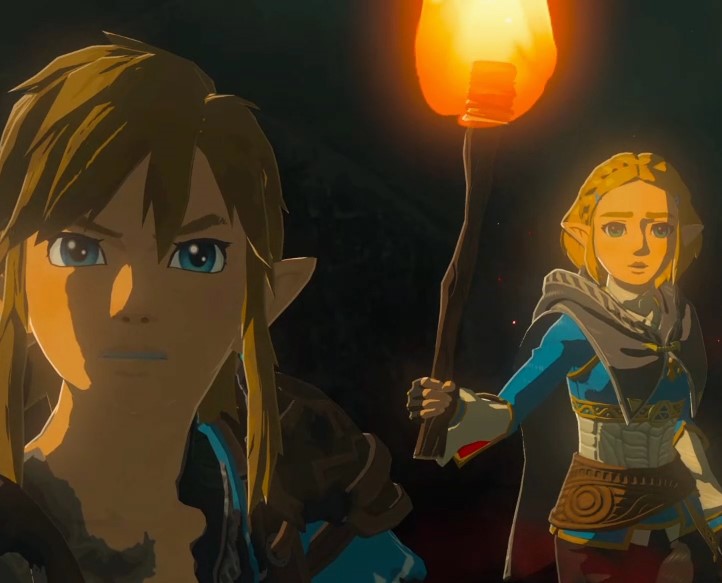
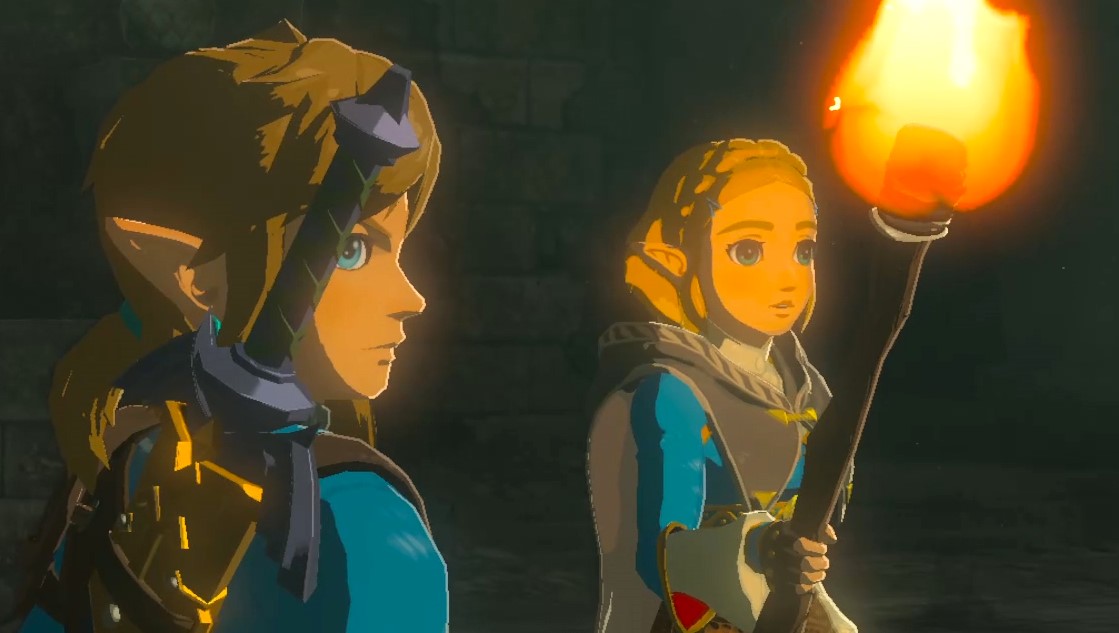
The Legend of Zelda Tears of the Kingdom unveils as the continuation of the Legend of Zelda Breath of the Wild and its main characters are Link and Princess Zelda. In Tears of the Kingdom Link and Zelda are separated when they investigate ancient ruins underneath the Hyrule Castle. They awaken an ancient mummy and Zelda disappears while Rauru spirit saves Link and his right arm that becomes damaged.

Link begins his journey in the Temple of Time where he learns new abilities with which he can now investigate Zelda’s disappearance throughout the Kingdom of Hyrule. He receives help from Purah and her friends but then needs to research strange phenomena occurring in different parts of Hyrule that seem to be connected with the disappearance of Zelda. In this open-world game, there is not one solution or path in the game. As Link progresses, he achieves more tools and abilities to fight monsters that now spread in Hyrule. The game is more than its predecessor and is the most anticipated game of 2023.

The Legend of Zelda Tears of the Kingdom has been released on 12 May 2023 for Nintendo Switch.

The Legend of Zelda Skyward Sword HD Review

legend of zelda skyward sword

The Legend of Zelda Skyward Sword unveils incredible trials Link has to undertake
to find Zelda, who mysteriously disappeared just when Link passed his flying on bird exams. Link has his own bird that carries him when he wants to leave his home on a floating island.

Link has to go through trials and with each trial he manages to get closer to finding more about Zelda. We find ourselves traveling through various dungeons. Each dungeon is completely different. Starting with Farron Woods we proceed to Skyview Temple, Eldin Volcano, Earth Temple, Lanayru Desert, and Mining Facilities. In Lanayru desert we reach Time Temple where we can revisit remnants of the mysterious past.

Each dungeon ends with its own boss, who holds the key to finding Zelda. The remake of The Legend of Zelda Skyword Sword HD allows for camera movement and motion controls that help in situations such as battles or when standing over high slopes where we can glance underneath.

The Legend of Zelda Skyward Sword has incredible music and memorable features that are part of various environments such as sinking sands in Lanayru Deserts, hot lava in Eldin Volcano, and tricky passages in mines. These features represent at times obstacles that we need to overcome or puzzles that have to be solved to proceed. All this represents a truly immersive experience.

There are various side quests such as when Link offers to find a missing daughter Kukiel. He has to come back to the Loft, where he can replenish his resources, improve weapons and receive strengthening potions.

The first version of The Legend of Zelda Skyward Sword was released on Wii. The remake of The Legend of Zelda is playable on Nintendo Switch.

Fire Emblem Engage Review

fire emblem engage

Fire Emblem Engage is part of the Fire Emblem series set around the Middle Ages. Fire Emblem Engage is set on a continent called Elyos, where we have to save the world. As Alear, we need to collect Emblem Rings that are then used to defeat Fell Dragon. Each ring can enable certain abilities of the person that has it. Fire Emblem Three Hopes preceded Fire Emblem Engage a year before. It was set in Fodlan and is in the style of hack and slash game.

Fire Emblem is an RPG simulation game series with tactical and role-playing elements. Fire Emblem Engage differs from its predecessors File Emblem Warrior Three Hopes and Fire Emblem Three Houses. Tactical elements involve weapon selection where they should counter their respective qualities such as swords should be used when battling axes. The story in Fire Emblem Three Hopes is quite engaging and doesn’t require the knowledge of the content in Fire Emblem Three Houses. The main protagonist Shez is at first defeated by Byleth, but saved. It is important to increase abilities to be able to win battles.

Fire Emblem Engage is more about the tactics and skills of the team that are crucial in defeating the enemy rather than deeper relationships, as dialogues tend to be brief. We discover our characters more on battlefields than during their encounters. There are still the same rules that apply in combat such as that swords defeat axes, axes defeat lances, and lances defeat swords. We need to develop our characters to achieve a higher class to enable winning battles. We battle enemies and creatures with swords and sorcery. As combat is more important, weakness in weapons need to be eliminated. Alear needs to fuse its soldiers.

Nintendo developed Fire Emblem Engage for the Nintendo Switch Console.

Hi-Fi Rush Review

hi fi rush

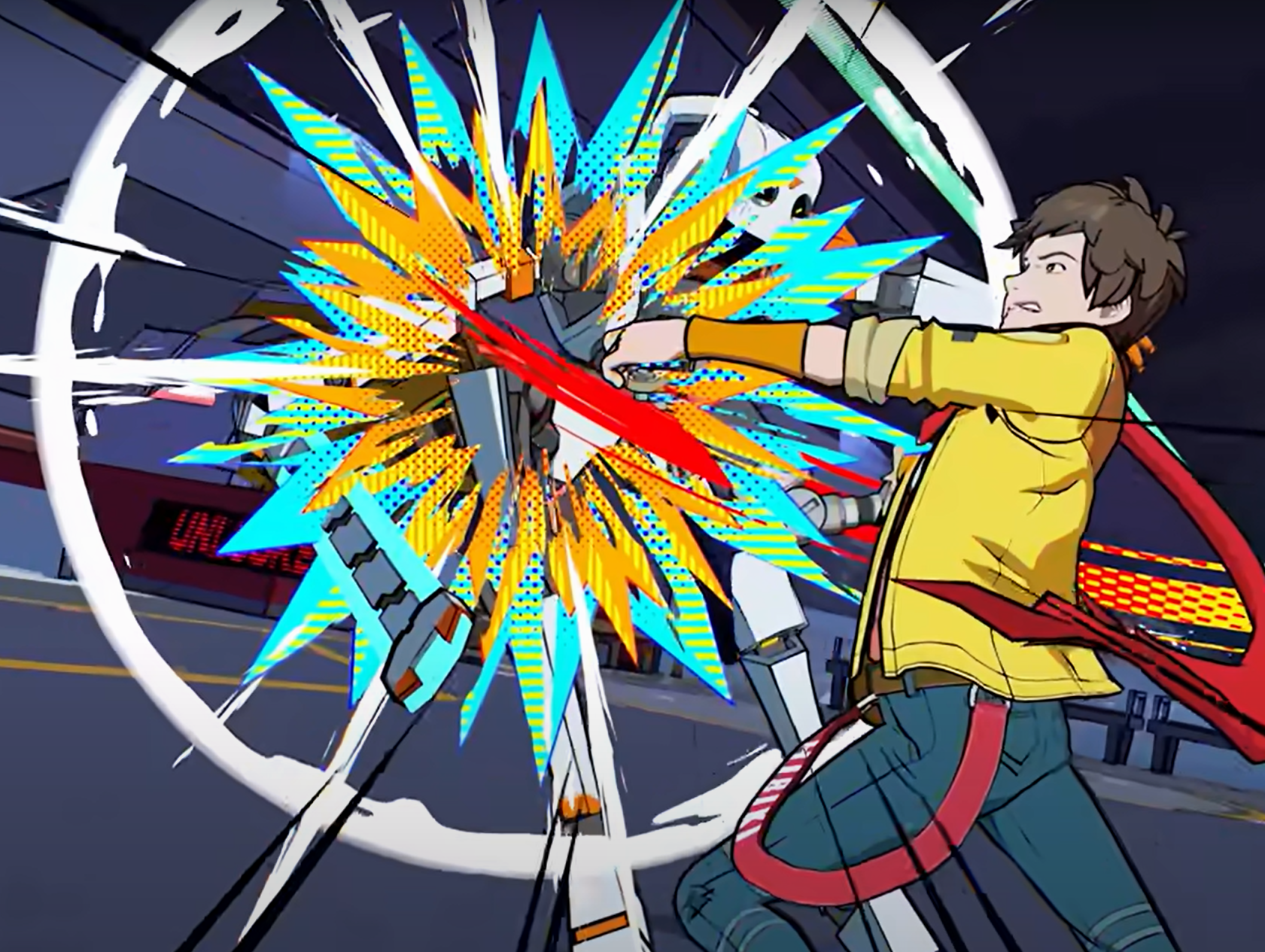
Hi-Fi Rush is an action, rhythm game featuring the adventures of a young man called Chai who always wanted to be a rock star despite his disabled right arm. With the help of Vandalay Technologies, he enters a limb replacement program. Accidentally, a music player is placed in Chai’s chest, making him sense rhythm in everything around him. This mistake threatens Chai’s life and Vandalay wants to correct this mistake. He is now needs to be eliminated as defective. Chai has to escape. Fortunately, he realizes he has gained new abilities.

Along with his new friends he learns about SPECTRA, a program that is used by Vandalay Technologies as an AI mind control. Chai and his friends engage in freeing people controlled by SPECTRA and then destroying it. Chai has also various skills such as magnetic abilities.

Hi-Fi Rush is all about maintaining the rhythm during battles while solving puzzles, as well as fighting enemies, including robots. The rhythm ensures that battling becomes effective. As music is a big part of this game, our musical abilities such as following the rhythm play a big part in whether we can succeed in more difficult parts of the game although enhancements in Chai’s abilities play also an important part. The music genre in the game is mainly rock, but it doesn’t detract from engagement even for those that prefer other genres. We need to find various solutions that also test our abilities that may involve dealing with moving platforms.

Hi-Fi Rush has been released for PC and Xbox X.